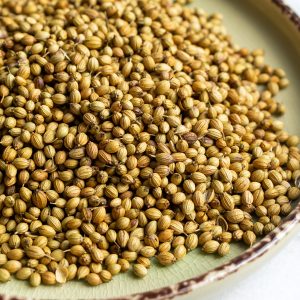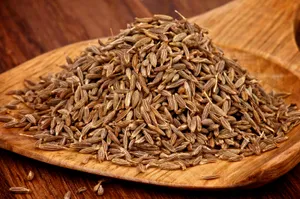
Premium whole cumin seeds (Cuminum cyminum) — aromatic, warm-flavoured spice
widely used in Indian, Middle Eastern and Latin cuisines. Carefully cleaned,
sun-dried and packed to preserve natural aroma and shelf life.
Grade: Food grade • Pack sizes: 250g, 1kg, 25kg
Overview: Cumin is a small, aromatic seed from the plant Cuminum cyminum, belonging to the Apiaceae family. Native to the Mediterranean and Middle East, cumin is one of the world’s most popular spices, widely used in Indian, Middle Eastern, Latin American, and North African cuisines. It imparts a warm, earthy, and slightly bitter flavor and is valued for its culinary and medicinal properties.
Cumin is typically grown in dry, tropical to subtropical climates. It prefers well-drained loamy or sandy soils with neutral pH (6.8–7.8). The crop requires a cool, dry season for vegetative growth and a hot, dry climate for ripening and seed drying. Sowing is usually done in winter (October–December in India) using about 10–15 kg of seed per hectare.
Fertilization involves moderate nitrogen and phosphorus; irrigation is light but frequent. The crop matures in about 100–120 days after sowing. Harvest occurs when plants turn brown and seed heads mature. After harvesting, plants are dried, threshed, and cleaned.
| Nutrient | Amount | Notes |
|---|---|---|
| Energy | 375 kcal | High in healthy fats and protein |
| Protein | 18 g | Rich in amino acids |
| Fat | 22 g | Mainly monounsaturated fatty acids |
| Carbohydrates | 44 g | Provides dietary fiber and complex carbs |
| Dietary fiber | 11 g | Aids digestion and supports gut health |
| Iron | 66 mg | Excellent source for blood health |
| Calcium | 931 mg | Supports bone strength |
| Vitamin C | 7.7 mg | Provides antioxidant support |
| Essential oils | 2.5–4.0% | Mainly cuminaldehyde and terpenes |
After drying, cumin seeds are cleaned, graded, and sometimes roasted or ground into powder. Grading depends on color, purity, size, and volatile oil content. High-quality cumin seeds are uniform, brownish-yellow, and free from foreign matter.
Cumin is a key ingredient in spice blends like curry powder and garam masala. It is used in soups, stews, pickles, sauces, and bakery items. Medicinally, cumin aids digestion, boosts immunity, and supports metabolism due to its bioactive compounds like cuminaldehyde and thymol.
Store cumin seeds in cool, dry, and airtight containers away from direct sunlight to preserve flavor and prevent mold. Properly dried seeds can last for up to one year. Moisture content should not exceed 10% for long-term storage.
| Grade | Purity | Color | Moisture (%) | Volatile Oil (%) |
|---|---|---|---|---|
| Europe Grade | 99.5% | Brownish | ≤ 9% | ≥ 2.5% |
| Singapore Grade | 99% | Light Brown | ≤ 10% | ≥ 2.3% |
| Middle East Grade | 98.5% | Brown | ≤ 10% | ≥ 2.0% |
© 2025 99+ Exports