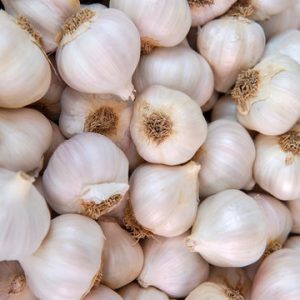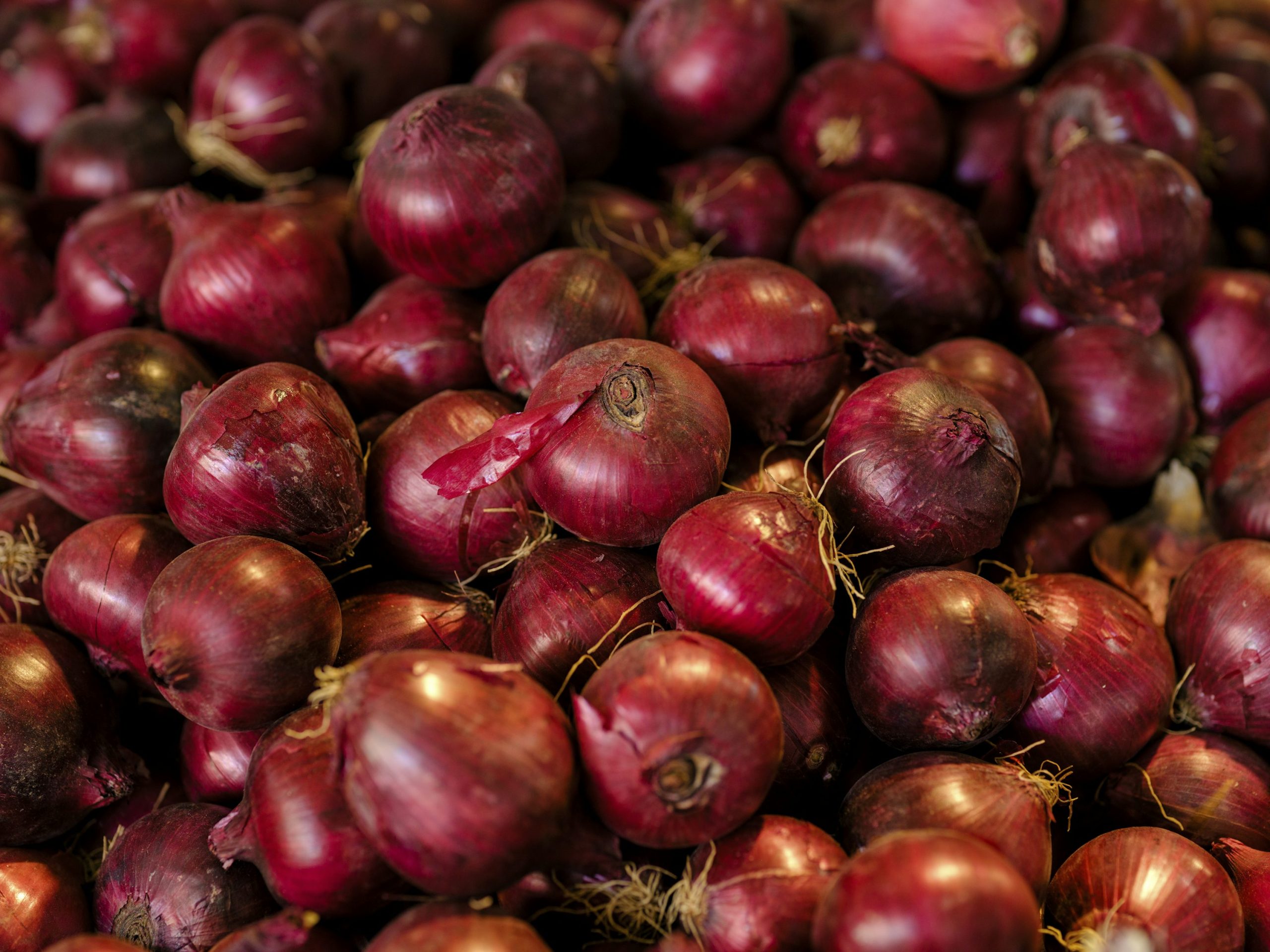
Onion
Onion (Allium cepa) — a globally essential vegetable valued for its layered bulb, pungent-sweet flavour and versatility. Widely cultivated across climates, onions are used fresh, cooked, powdered, pickled or dehydrated and serve as a foundational ingredient in cuisines worldwide.
Overview
Onions are a hardy, biennial plant grown primarily for the edible bulb. They come in many varieties and colours — white, yellow (brown), red (purple) — each offering slightly different flavour profiles: sweet, mild, or sharp. Onions provide aroma, depth and natural sweetness to dishes and are used in soups, stews, sauces, salads, marinades, frying, and as a raw garnish.
Key Characteristics
- Botanical name: Allium cepa
- Appearance: Spherical to flattened bulbs with dry papery outer skins; inner concentric layers are juicy and crisp.
- Flavour: Ranges from mild and sweet (e.g., Vidalia, Walla Walla) to sharp and pungent (common storage varieties).
- Aroma: Strong sulfurous aroma when cut; mellows on cooking.
- Uses: Culinary (fresh and cooked), industrial (onion powder, oil, extracts), pickling and processing.
Benefits & Nutritional Highlights (per 100 g, raw)
Onions are low in calories and contain vitamins, minerals, and phytochemicals such as quercetin. They contribute dietary fiber, vitamin C, folate and small amounts of potassium.
Storage & Handling
Store onions in a cool, dry, well-ventilated place away from direct sunlight. Ideal storage temperature: 0–5°C for long-term cold storage varieties; ambient (10–20°C) for short-term storage. Keep away from potatoes (which accelerate sprouting). Handle gently to avoid bruising; damaged bulbs are prone to spoilage.
Packaging & Shipping
Common packaging: jute sacks, mesh/polypropylene bags, ventilated cartons, or wooden crates. For export, use ventilated crates or 10–20 kg mesh sacks inside corrugated boxes with cushioning to minimize movement and damage. Temperature-controlled transport may be required for long transit.
Quality & Grading
Onions are graded by size, firmness, outer skin condition, absence of decay and uniformity. Premium grade: firm, dry outer skin, no sprouts, no cuts or bruises, uniform colour and size.
Common Varieties
- Yellow/Brown (storage onions) — strong flavour, long shelf life
- Red/Purple — mild to sharp, commonly used raw and in salads
- White — sharp and crisp, popular in certain regional cuisines
- Sweet varieties (Vidalia, Walla Walla) — low pungency, excellent raw
Detailed Specification Table
| Product Name | Onion (Allium cepa) |
|---|---|
| Variety / Type | Yellow/Brown, Red, White, Sweet varieties (specify at order) |
| Origin | Country / Region of origin (to be specified per shipment) |
| Appearance | Whole bulbs, firm, dry outer skin, free from visible damage, uniform in colour and size |
| Size / Grade | Small / Medium / Large (e.g., 40–60 mm, 60–80 mm, 80+ mm) — graded by diameter or count per kg |
| Moisture | Typical fresh bulb moisture ~ 88% (varies by variety and harvest). For processed/dehydrated products moisture will be specified separately. |
| Defects Allowed | Minor skin blemishes allowed; no significant bruises, cuts, decay, or sprouting for premium grade |
| Pesticide Residue | Complies with Codex / EU / buyer-specified MRLs; pesticide-free or organic on request (certificate required) |
| Microbiology | Free from pathogenic organisms; meets buyer’s microbiological specifications if required |
| Packaging Options | 10 kg, 20 kg mesh sacks; 10–15 kg ventilated cartons; wooden crates; bulk palletized. Shrink-wrap and palletization as required. |
| Storage Conditions | Cool, dry, well-ventilated; recommended 0–5°C for long-term cold storage varieties, 10–20°C for ambient short-term storage; relative humidity 60–70% |
| Shelf Life | Varies by variety and storage: 1–2 months at ambient; up to 6–9 months under controlled cold storage for storage varieties |
| Certificates | Available on request: Phytosanitary Certificate, FSSAI / HACCP / ISO / Organic (if applicable), Third-party test reports |
| Typical Nutritional Values (per 100 g, raw) | Energy: ~40 kcal; Carbohydrates: ~9.3 g; Sugars: ~4.2 g; Protein: ~1.1 g; Fat: ~0.1 g; Fiber: ~1.7 g; Vitamin C: ~7.4 mg; Potassium: ~146 mg (values indicative). |
| Applications | Fresh consumption, cooking, processing (powder, flakes), pickling, dehydration, oil & extract production |
| Custom Orders | Size-specific sorting, pre-cleaning, peel-on / peel-off options, organic, waxing or anti-sprout treatments per buyer request |
Note: The specifications above are general guidelines. Exact parameters (size, moisture, allowed defects, certifications, and packaging) will be confirmed at the time of the contract or purchase order based on buyer requirements and origin season.